


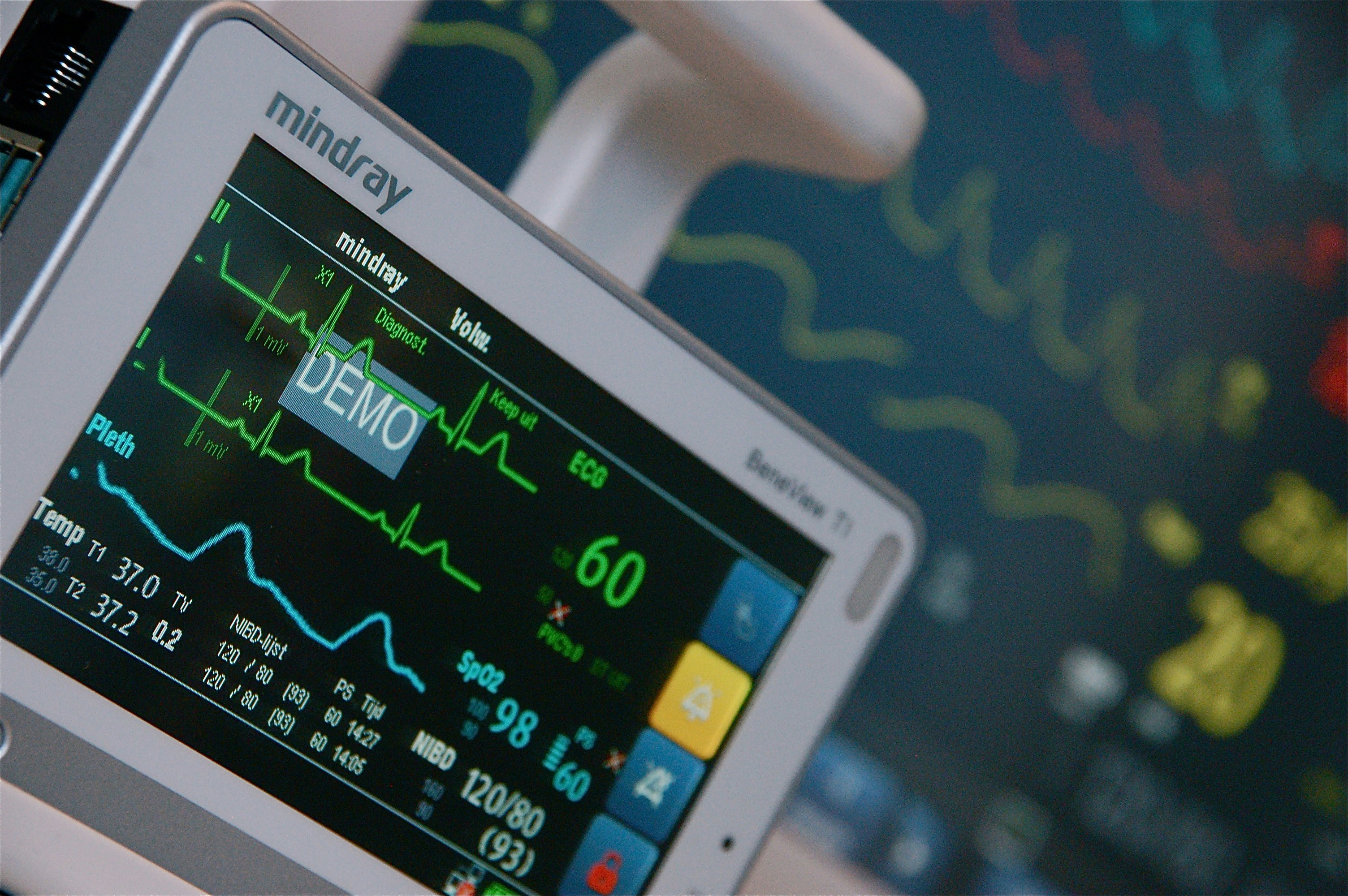
Understanding the Importance of Health Monitoring in Challenging Operations
In high-stakes environments such as military operations and disaster response scenarios, the importance of health monitoring cannot be overstated. These situations often involve critical decision-making processes that can significantly affect the lives of individuals involved, including military personnel, first responders, and civilian populations. Health monitoring systems provide real-time data that is essential for assessing the physical and mental well-being of those engaged in these challenging operations.
Real-time health data, including vital signs and physiological metrics, enables commanders and medical teams to make informed decisions quickly. For instance, in a military operation, if a soldier displays signs of fatigue or physiological distress, immediate interventions can be implemented. This swift response not only maximizes the individual’s chance of recovery but also enhances unit cohesion and operational effectiveness. Similarly, during disaster response efforts, health monitoring can identify those who are in critical need of medical assistance, ensuring that help is provided to the most vulnerable first.
Moreover, health monitoring technology has evolved to include wearable devices that continuously track various health parameters. These devices utilize advanced algorithms to provide alerts and insights, which can enhance awareness of an operative’s condition in real-time. With this data, medical teams are better equipped to respond to evolving health issues, thereby reducing the risk of complications that could arise from delays. The ability to monitor troop health in real time fosters a proactive approach to health management, which is vital in unpredictable scenarios.
Ultimately, integrating robust health monitoring systems into high-stakes operations is not just advantageous; it is essential. The capacity to analyze health data actively can improve response times and support better decision-making, both of which can lead to saving lives and ensuring the success of the mission at hand.
Aegscop’s Innovative Technology Solutions for Vital Monitoring
Aegscop has made significant advancements in the field of health monitoring, specifically serving high-stakes operations where accurate and timely data is essential. The company focuses on developing mission-ready vital monitoring devices that withstand extreme environmental conditions, ensuring reliability irrespective of the situation.
One of the standout features of Aegscop’s technology is its portability. Designed for easy transport and deployment, these devices are compact, lightweight, and can be quickly set up in various scenarios. This adaptability is critical for first responders and military personnel who operate in rapidly changing and challenging environments.
Durability is another cornerstone of Aegscop’s monitoring devices. Built to endure harsh weather, physical impacts, and the rigors of tactical operations, these devices undergo rigorous testing to ensure they meet stringent operational demands. This robustness allows users to focus on critical health metrics without worrying about equipment failure.
The ability to provide accurate health metrics in real-time is of utmost importance. Aegscop integrates advanced sensors that continuously monitor vital signs such as heart rate, blood pressure, and oxygen saturation. This data is crucial for making informed decisions during high-stakes situations, as it enables commanders and healthcare professionals to evaluate the medical status of individuals promptly.
Aegscop’s commitment to innovation extends to user-friendliness, ensuring that operators can easily interpret the health data collected. The interface of these devices is designed to be intuitive, providing clear visualizations and immediate alerts for any deviations from normal parameters. Such functionality not only enhances situational awareness but also facilitates swift responses to medical emergencies.
The Role of Resilient Communication in Health Monitoring Systems
In high-stakes operations, the ability to maintain reliable and resilient communication is paramount for the effective functioning of health monitoring systems. Health monitoring, especially in remote and dynamic environments, requires communication technologies that can adapt to potential disruptions caused by geographical challenges or emergencies. This is where the innovative solutions offered by Aegscop come into play.
One of the foundational technologies leveraged by Aegscop is satellite communications. Satellite networks provide extensive coverage, ensuring that data can be transmitted in areas where traditional cellular networks may be inadequate or entirely unavailable. The utilization of satellite communications allows for real-time monitoring of health parameters, which is crucial for timely medical interventions and the overall success of mission-critical operations.
Moreover, secure data transmission is essential for safeguarding sensitive health information against unauthorized access. Aegscop addresses this need through encrypted data transmission methodologies. Encryption ensures that all telemetry data exchanged within health monitoring systems remains confidential and secure from potential breaches. This is particularly important in high-stakes settings where the integrity of health information can impact strategic decisions.
By integrating these advanced technological solutions, Aegscop not only enhances the reliability of health monitoring systems but also instills confidence among stakeholders that continuous operation is achievable, regardless of environmental constraints. The combination of satellite communications and encrypted data pathways enables a seamless flow of crucial health data, contributing to efficient incident management and optimal patient care. Ultimately, resilient communication layers serve as a backbone for health monitoring systems, reinforcing their ability to function in even the most challenging circumstances.
Case Studies: Successful Implementations of Health Monitoring in the Field
In recent years, the adoption of advanced health monitoring solutions has demonstrated significant improvements in various high-stakes environments, such as military operations and disaster response scenarios. One poignant example is the deployment of Aegscop’s health monitoring systems during military missions. In one notable operation, troops operating in extreme conditions were equipped with wearable devices that monitored vital signs in real time. This technology enabled command centers to track the health status of personnel, allowing for quicker medical responses to potential injuries and heat stress, ultimately saving lives and enhancing mission efficacy.
Similarly, in the context of disaster response, Aegscop’s systems were integrated into emergency operations after a natural disaster struck a populated area. Health monitoring capabilities provided critical data regarding the physical conditions of rescue workers on the ground. By establishing a comprehensive overview of their health metrics, administrators were able to evaluate the exhaustion levels and deploy additional resources to prevent fatigue-related accidents, thereby maintaining operational strength and safety.
Moreover, in search and rescue operations, the implementation of health monitoring technology has proven essential. For instance, during a recent rescue mission in a mountainous region, rescuers wearing Aegscop’s monitoring devices were found to perform better under pressure. By receiving updates on their physiological states, they were able to manage their hydration and energy levels more effectively, which contributed to successful rescue outcomes. The proactive approach to health monitoring in these high-risk situations underscored its value and validated the need for continuous integration of such technology.
Through these case studies, various lessons learned highlight the importance of investing in advanced health monitoring technologies. Not only do they enhance the safety of personnel in life-threatening environments, but they also significantly improve operational efficiency. The experiences from these implementations reinforce the notion that effective health monitoring is indispensable for ensuring success in critical situations.